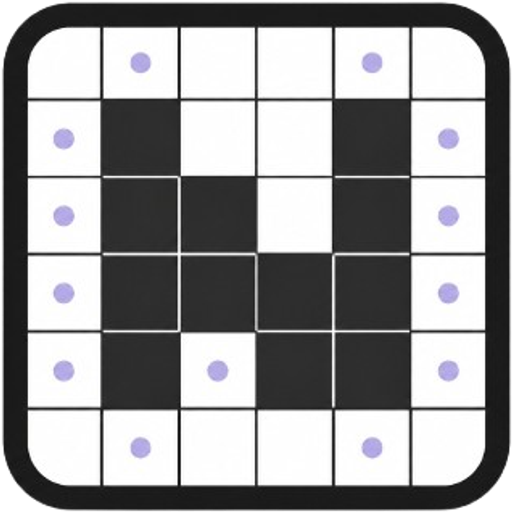
Ukończone bloki
Ukończony ciąg jest wart więcej niż komórki, które wypełnia — mówi też, które sąsiednie komórki muszą być puste. „Zamykanie” ukończonego bloku oraz rozpoznawanie, kiedy dwie wypełnione komórki należą do tego samego ciągu, to dwa z najbardziej niezawodnych sposobów na utrzymanie postępu w rozwiązywaniu. Ten przewodnik obejmuje oba, a także jeden błąd, którego należy unikać. Zakłada, że swobodnie posługujesz się ciągami, podpowiedziami i oznaczaniem pustych komórek.
Zamknij ukończony ciąg
Gdy ciąg osiąga pełną długość swojej podpowiedzi, nie może już dalej rosnąć — więc komórki bezpośrednio stykające się z każdym jego końcem muszą być puste. Oznaczenie tych komórek (zamknięcie ciągu) to właśnie to, co oddziela go od sąsiadów i powstrzymuje jakikolwiek inny ciąg przed przypadkowym połączeniem się z nim.
W poniższym przykładzie podpowiedź linii to 3 2, a ciąg 3 został już umieszczony. Ponieważ ten ciąg ma już pełną długość, komórki po obu jego stronach są zamykane znakiem ✕ — i właśnie te zamknięcia są tym, czego potrzebują dalej ciąg 2 oraz linie przecinające.
Zamykanie ukończonego ciągu 3
Ciąg 3 ma pełną długość, więc komórki po obu stronach są zamykane jako puste (✕) — oddzielając go od ciągu 2, który dopiero nadejdzie.
Połącz dwie komórki tego samego ciągu
Gdy linia ma pojedynczy ciąg, a znalazłeś dwie wypełnione komórki w pewnej odległości od siebie, muszą one należeć do tego jednego ciągu — więc wszystko między nimi również jest wypełnione, a oba końce można zamknąć. Ten ruch „łączenia” często ujawnia kilka komórek naraz z zaledwie dwóch znanych.
Tutaj podpowiedź to pojedyncza 4, a dwie komórki oddalone o cztery są już wypełnione. Ciąg 4 obejmujący obie może znajdować się tylko w jednym miejscu, więc dwie komórki między nimi zostają wypełnione, a oba końce zamknięte jako puste.
Łączenie dwóch komórek pojedynczego ciągu 4
Dwie wypełnione komórki oddalone o cztery muszą być tym samym ciągiem 4: wypełnij dwie między nimi, a potem zamknij oba końce (✕).
Dlaczego zamykanie odblokowuje linie przecinające
Puste zamknięcia, które stawiasz, to nie tylko porządek. Każdy ✕ na końcu ukończonego bloku jest nowym faktem dla prostopadłej linii przez niego przebiegającej — mówi temu wierszowi lub kolumnie, że żaden ciąg nie może zajmować tam komórki. Blok, który ukończysz w wierszu, bardzo często umożliwia kolejny ruch w kolumnie i odwrotnie. Właśnie dzięki zamykaniu postęp rozprzestrzenia się po siatce.
Nie zamykaj ciągu, zanim będzie ukończony
Jedna pułapka: zamykaj blok dopiero, gdy udowodnisz, że ma pełną długość. Wypełniona komórka niekoniecznie jest końcem swojego ciągu — ciąg może się jeszcze dalej rozciągać, a przedwczesne zamknięcie go stawia błędne oznaczenie pustej komórki, które po cichu psuje łamigłówkę. Zamykaj, gdy ciąg osiągnął dokładnie liczbę ze swojej podpowiedzi lub gdy wymusza to krawędź — nigdy na przeczucie.