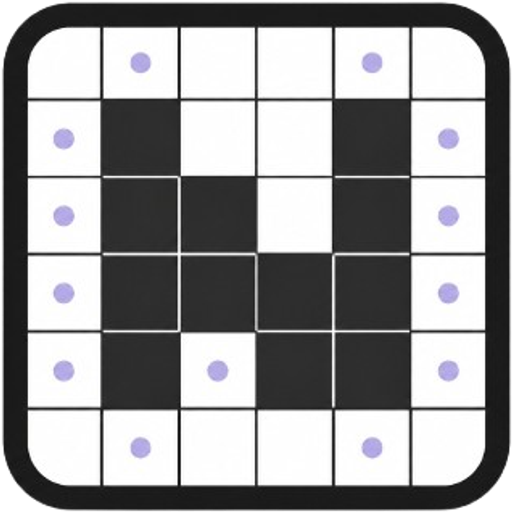
Leere Felder markieren
Anfänger denken, bei einem Nonogramm gehe es um die Felder, die man ausfüllt. Erfahrene Löser wissen, dass es genauso um die Felder geht, die man durchstreicht. Ein sicher leeres Feld trägt echte Information — es sagt einem kreuzenden Block, wohin er nicht kann — und diese Felder mit einem ✕ zu markieren, hält ein Rätsel in Bewegung. Diese Anleitung zeigt, wann ein Feld leer sein muss und warum es sich lohnt, jedes einzelne zu markieren.
Schließe eine Zeile ab, streiche dann den Rest durch
Der einfachste Zug beim Markieren leerer Felder: Sobald die Hinweise einer Zeile vollständig platziert sind, ist jedes Feld, das nicht Teil eines Blocks ist, leer — markiere sie alle. Ein Hinweis von nur 1, den du lokalisiert hast, bedeutet, dass der ganze Rest dieser Zeile durchgestrichen wird. Ein Hinweis von 1 1 mit beiden platzierten Einzelfeldern bedeutet, dass jedes Feld zwischen und um sie herum leer ist.
Das klingt selbstverständlich, aber es zu überspringen ist die häufigste Art, festzustecken. Diese frischen ✕-Markierungen sind genau das, was die kreuzenden Zeilen und Spalten für ihren nächsten Zug brauchen.
Eine Zeile abzuschließen streicht den Rest durch
Der Hinweis ist eine einzelne 1, bereits in der Mitte platziert — also wird jedes andere Feld durchgestrichen (✕).
Beide Blöcke aus 1 sind an den Enden platziert; die drei Felder dazwischen können nichts aufnehmen, also sind sie alle leer.
Eine Lücke, zu klein für einen Block
Der nützlichste eigenständige Schluss beim Markieren leerer Felder: Wenn ein Abschnitt aus Feldern zu kurz ist, um den Block aufzunehmen, der dorthin müsste, kann er nicht ausgefüllt werden — also streiche ihn durch. Ein einzelnes leeres Feld kann eine Zeile in Abschnitte teilen, und jeder Abschnitt, der kürzer als der verbleibende Block ist, ist toter Raum.
Im Beispiel unten ist der Hinweis der Zeile 3 und ein Feld ist bereits als leer bekannt. Dieses leere Feld isoliert das einzelne Feld davor — ein Feld kann keinen Block aus drei aufnehmen — also muss es ebenfalls leer sein. Der Block aus 3 ist dann auf die letzten vier Felder beschränkt, wo die Überlappung zwei davon erzwingt.
Eine Lücke, zu klein für den Block
Da das zweite Feld leer ist (✕): es isoliert das erste Feld, das allein keinen Block aus 3 fassen kann — also wird es ebenfalls durchgestrichen. Der Block sitzt dann in den letzten vier Feldern und erzwingt zwei davon.
Leere Felder sind Hinweise für die kreuzenden Linien
Ein ✕ ist nicht nur Buchführung. Wenn du ein Feld in einer Zeile durchstreichst, hast du der Spalte dieses Feldes auch mitgeteilt, dass dort kein Block es besetzen kann. Sehr oft ist der Schluss, der eine Spalte freischaltet, kein ausgefülltes Feld, das du gefunden hast — sondern ein leeres. Behandle jedes ✕, das du setzt, als Tatsache, die die senkrechte Linie nun nutzen kann.
Mach es zur Gewohnheit, nicht zum Nachgedanken
Markiere leere Felder unterwegs, nicht am Ende. Sie nur im Kopf implizit zu lassen, funktioniert bei einem 5×5, aber bei einem 15×15 oder 20×20 schleichen sich so Fehler und übersehene Schlüsse ein. Ein Brett, auf dem jedes sichere Feld entweder ausgefüllt oder durchgestrichen ist, ist ein Brett, das du wirklich lesen kannst — und es richtig zu lesen ist der größte Teil der Arbeit.