Randlösung
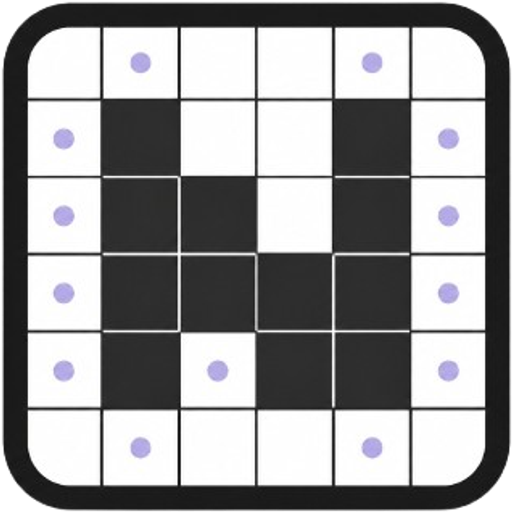
Blöcke haben an den Rändern des Rasters den geringsten Bewegungsspielraum, was die Ränder und Ecken zu den einfachsten Stellen macht, um Felder zu erzwingen. Randlösung ist die Gewohnheit, immer zuerst zu prüfen, was dir die äußersten Zeilen und Spalten liefern, bevor du in der Mitte suchst. Diese Anleitung zeigt die zwei häufigsten Züge und wie du dich weiter nach innen arbeitest. Sie setzt voraus, dass du mit Blöcken, Hinweisen und der Überlappungsmethode vertraut bist.
Verankere einen Block an einem ausgefüllten Rand
Der stärkste Randzug: Wenn das allererste Feld einer Zeile bekanntermaßen ausgefüllt ist — oft durch einen kreuzenden Hinweis in senkrechter Richtung — hat der erste Block keinen Platz zum Verschieben. Er kann nicht über den Rand des Rasters hinausragen, also muss er genau dort beginnen. Fülle den ganzen ersten Block vom Rand aus, markiere dann das Feld unmittelbar dahinter als leer, denn jeder Block braucht eine Lücke hinter sich.
Im Beispiel unten beginnt der Hinweis der Zeile mit 3, und das Randfeld ist bereits ausgefüllt. Der Block ist auf die Felder 1-3 festgelegt, und Feld 4 wird als leer erzwungen — drei ausgefüllte Felder und ein leeres aus einem einzigen bekannten Feld.
Ausgefüllter Rand verankert den ersten Block
Da das Randfeld ausgefüllt ist und der erste Hinweis 3 lautet: Felder 1-3 sind ausgefüllt, und Feld 4 (✕) muss leer sein.
Ein leerer Rand verkürzt die Zeile
Das Gegenteil ist genauso nützlich. Wenn das Randfeld bekanntermaßen leer ist, ist dieses Feld praktisch aus dem Spiel, und die Zeile wird um eins kürzer. Ein Block, der dir auf der vollen Zeile nichts gab, kann sich plötzlich überlappen, sobald die Zeile schrumpft. Das sind Randlösung und Überlappungsmethode, die zusammenarbeiten.
Hier erzwingt ein Block aus 4 auf einer 6 Felder breiten Zeile normalerweise nur zwei Felder (2×4 − 6). Aber sobald der Rand bekanntermaßen leer ist, lebt der Block im verbleibenden Fenster aus 5 Feldern — und 4 in 5 erzwingt drei Felder, vom Rand nach innen geschoben.
Leerer Rand + Überlappung
Da das Randfeld leer ist (✕): Der Block aus 4 lebt jetzt in einem Fenster aus 5 Feldern, erzwingt also 3 Felder nach innen — mehr als auf der vollen Zeile.
Ecken sind doppelt eingeschränkt
Ein Eckfeld liegt am Rand sowohl einer Zeile als auch einer Spalte, es beantwortet also zwei Hinweise gleichzeitig. Diese doppelte Einschränkung bedeutet, dass sich Ecken früh auflösen: Oft wird das erste Feld der Zeile einer Ecke unabhängig durch den Zeilenhinweis und den Spaltenhinweis erzwungen, und je nachdem, was sich zuerst klärt, erhält die andere Zeile einen ausgefüllten oder leeren Rand zum Verankern. Wann immer du feststeckst, scanne die vier Ecken — sie sind die am stärksten überbestimmten Felder auf dem Brett.
Arbeite dich vom Rand nach innen
Randlösung ist kein einmaliger Zug, sondern eine Richtung. Jedes Feld, das ein Rand erzwingt, wird zum Hinweis für die Zeile einen Schritt weiter innen. Fülle den äußeren Ring, wo du kannst, markiere seine leeren Felder, und behandle dann die nächste Zeile oder Spalte als frischen, etwas stärker eingeschränkten Rand. Rätsel, die in der Mitte leer aussehen, werden meist von außen nach innen gelöst.